



01. PV Capacity
15 MWp (rooftop + carport PV; assuming full coverage of 0.12–0.16 kWp/m² on rooftops; approximately 100,000–120,000 m² of usable rooftop space required; annual power generation of 16.5 million kWh).

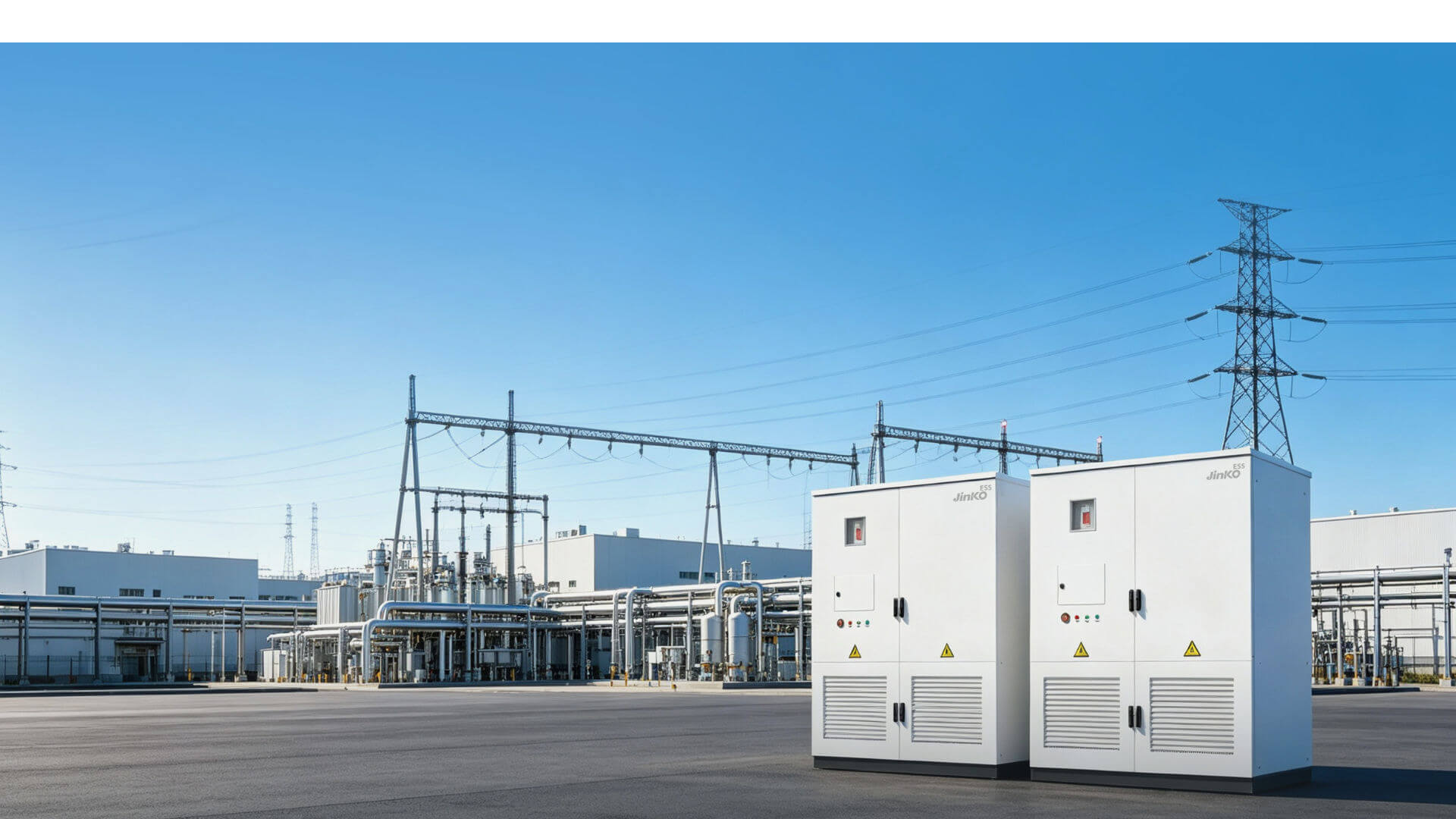
A manufacturing plant with a dedicated high-voltage transformer rated at 10 kV or higher. Production loads are significantly higher during daytime hours and on weekdays than at night or on holidays. This is one of the most economically viable scenarios for “rooftop PV + customer-side energy storage,” featuring a high propor tion of self-consumed PV power, while energy storage can be used for peak-valley arbitrage, demand response, and distribution capacity relief.
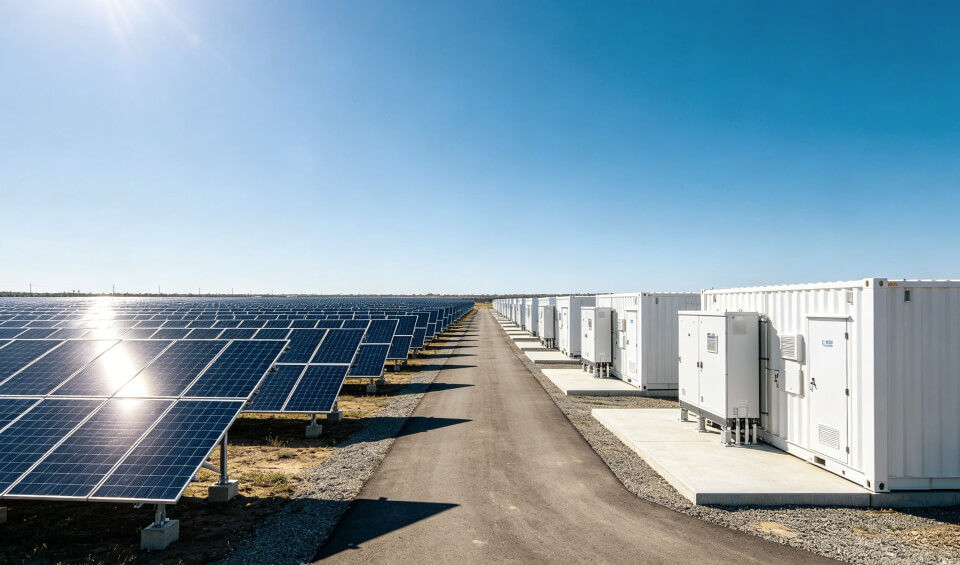

Load Curve
High load during daytime on weekdays, baseline load maintained at night, and reduced load on weekends and holidays.

Key Equipment
Production lines, electric motors, air compressors, cooling/circulating water systems, air conditioning, and plant utility power distribution systems.

Electricity Consumption Patterns
Highly correlated with production schedules, with distinct peaks in the morning and afternoon; consumption is even higher during hot summer months.

Billing Characteristics
Primarily dual rate structures, demand charges or capacity charges have a significant impact on billing statements

Electricity costs account for a significant portion of manufacturing costs, and peak-hour and super-peak electricity rates have a major impact on production costs.

Power rationing or load shedding disrupts continuous production, and the losses from production line downtime may far exceed the electricity costs themselves.

Short-term load spikes may lead to insufficient transformer capacity; capacity expansion involves long lead times and high investment costs.

Although rooftop space is abundant, PV output does not perfectly align with production loads; energy storage is needed to improve grid integration and maximize returns.
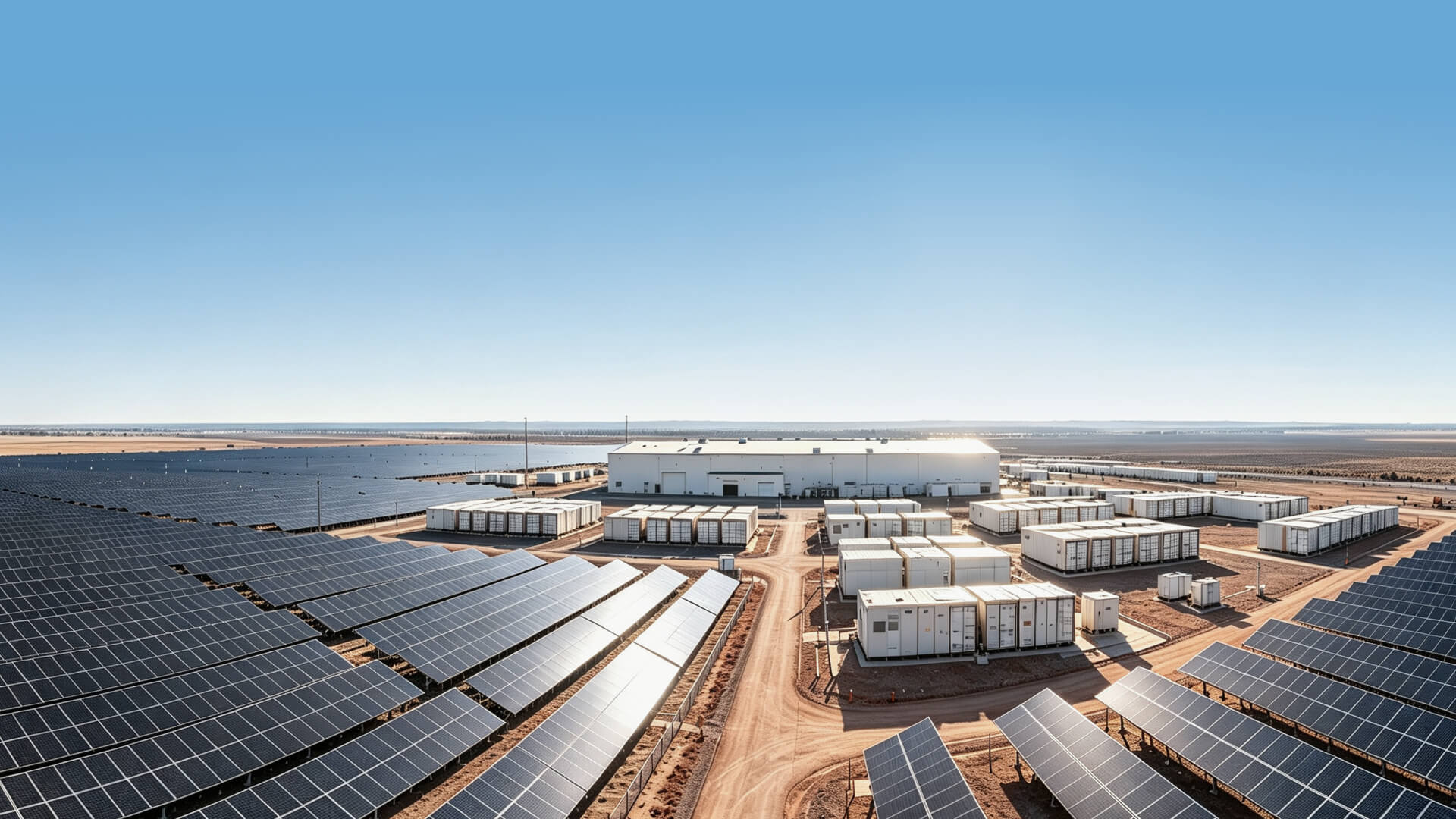
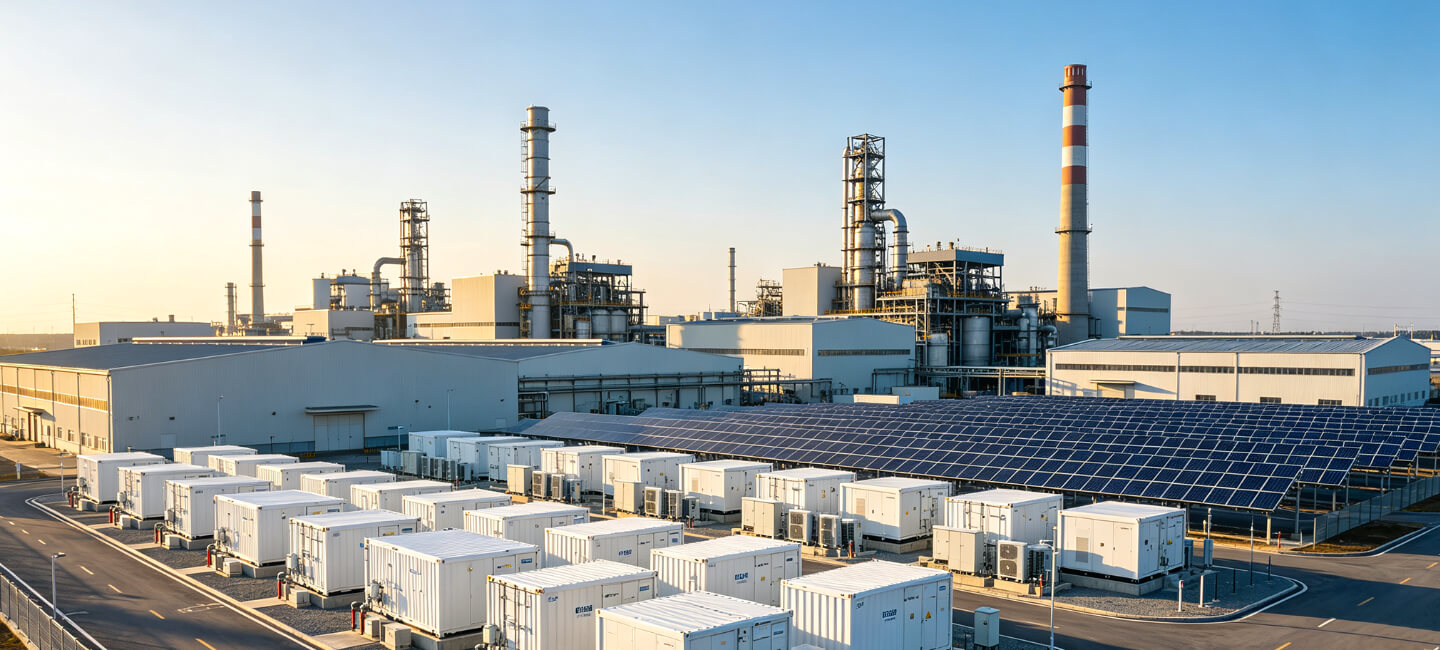
15 MWp (rooftop + carport PV; assuming full coverage of 0.12–0.16 kWp/m² on rooftops; approximately 100,000–120,000 m² of usable rooftop space required; annual power generation of 16.5 million kWh).
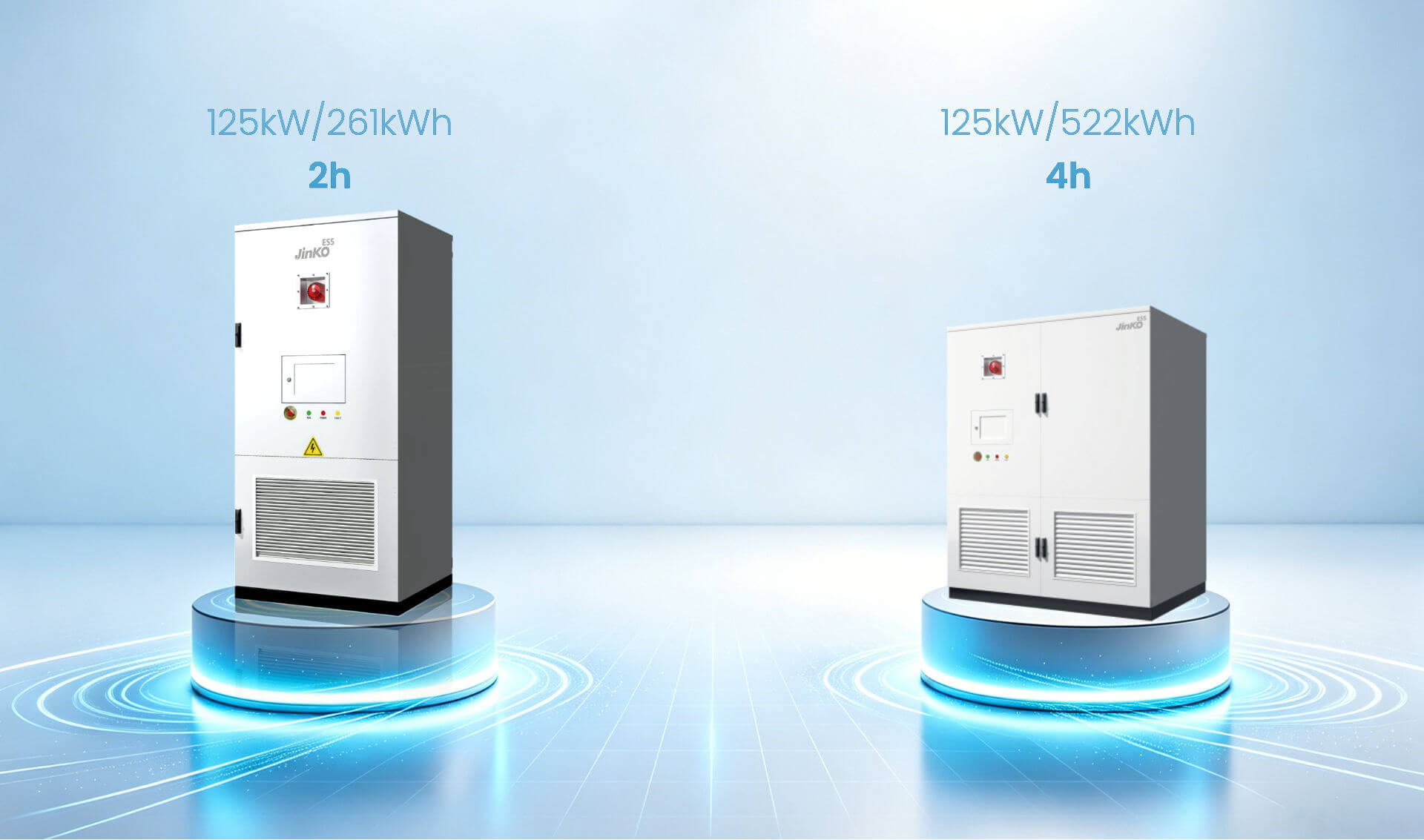
1.5 MW / 3 MWh (can be configured to cover 15%–30% of peak load).
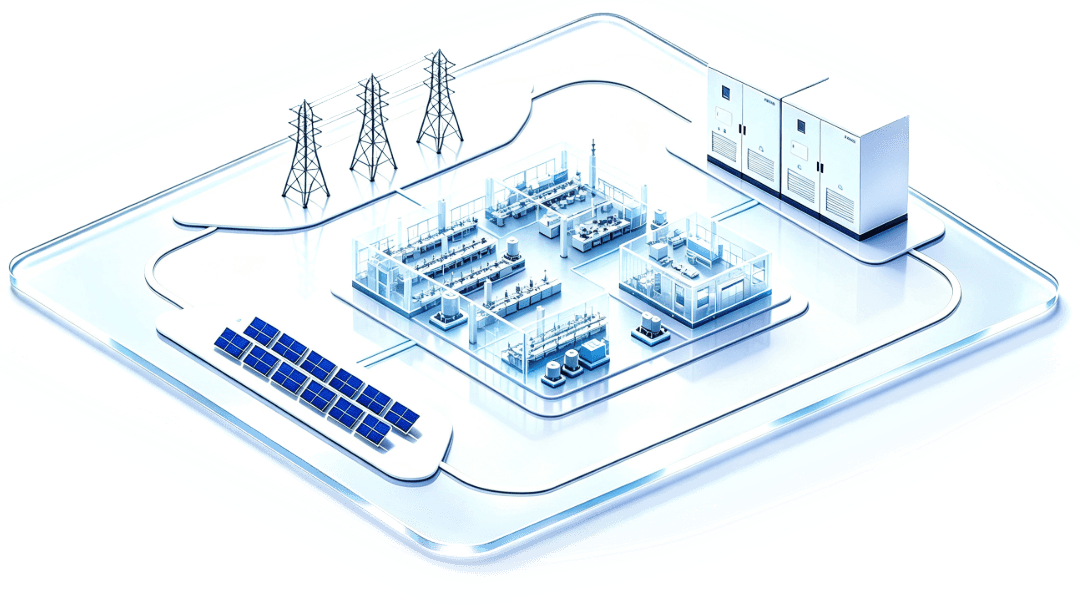
EMS integrates PV, energy storage, main transformer loads, production schedules, and time-of-use electricity rates to achieve demand response.
Charge during off-peak electricity rate periods (e.g., at night) to reduce electricity purchase costs.

Discharge stored energy during peak electricity rate periods to replace high-cost grid purchases.

Make appropriate adjustments during off-peak periods based on production load requirements; prioritize solar power to meet the load, and feed excess electricity into the energy storage system.

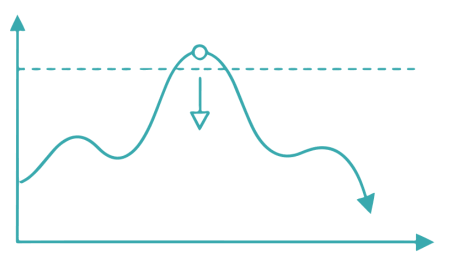
When the main transformer load approaches the demand threshold, the energy storage system enters demand control mode to limit peak demand and reduce demand-based electricity charges.
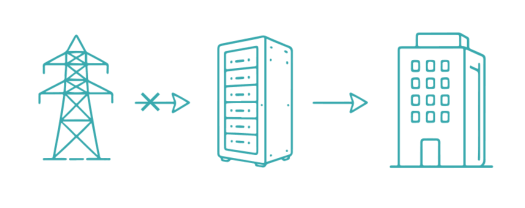
During power rationing alerts or critical production processes, the EMS can increase the energy storage system’s SOC to prioritize critical production loads.

Cost Reduction and Efficiency Improvement
Reduce electricity expenses through peak-off-peak arbitrage and demand management.

Green Energy Consumption
The self-consumption rate of solar power is increased to over 90%, preventing curtailment.

Grid Stability
Smoothing out load fluctuations and improving power quality.

Emergency Suppor
Ensuring uninterrupted power supply to critical production loads during power rationing or grid failures.


Industry-leading Safety Performance